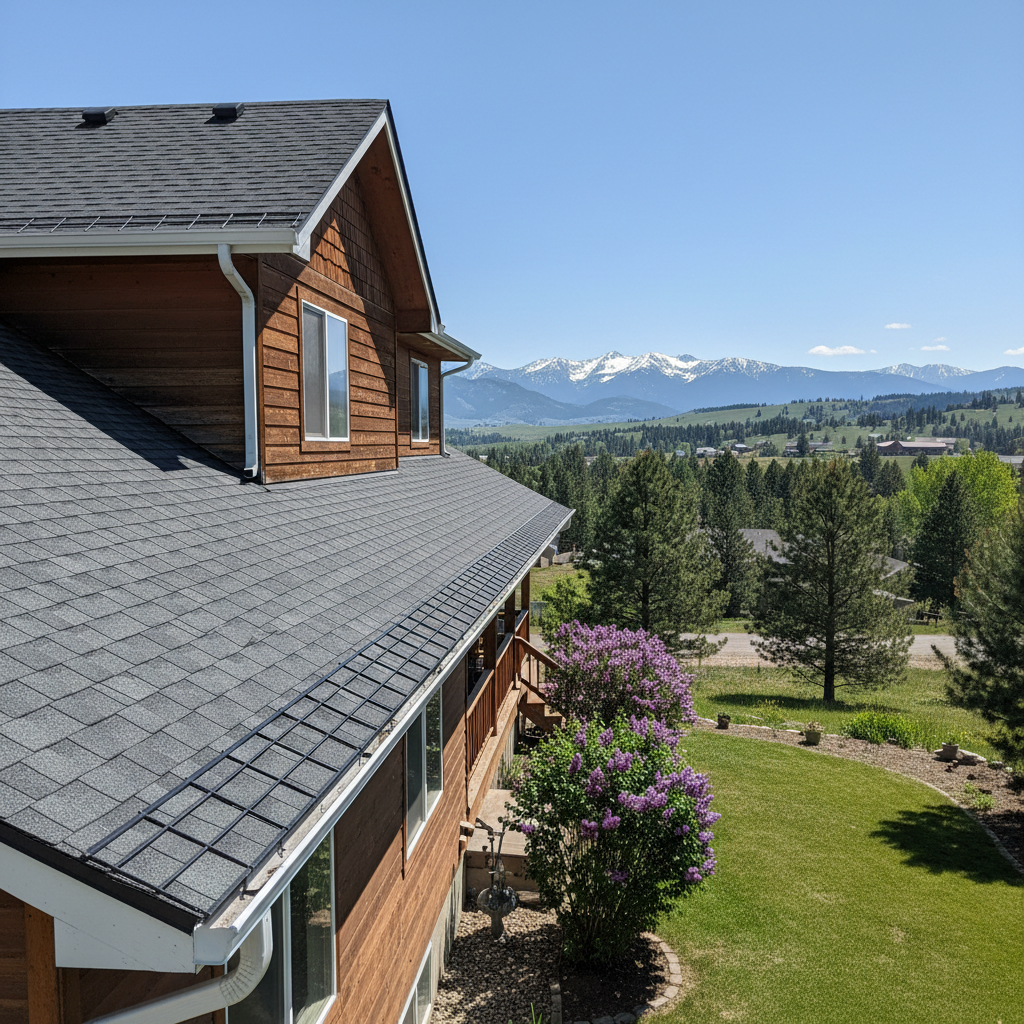
You're probably tired of climbing ladders, right? Or maybe you've paid someone to clean your gutters one too many times. That's usually when folks start asking me about gutter guards. It's a smart question, especially around Polson where we've got a lot of mature trees and some pretty wild weather swings.
What I've Seen Work (and Not Work) Around Here
I've been installing gutters and dealing with their upkeep for years with Valley Gutter, and honestly, I've seen just about every type of gutter guard come and go. Some are great, some are a total waste of money, and some actually make things worse. It really depends on what you're trying to keep out, you know?
For us in Polson, the main culprits are pine needles, cottonwood fluff, and those tiny little seeds that fall off everything in the spring. Oh, and don't forget the occasional bird nest or squirrel stashing nuts. If you live up on the East Shore, for instance, you're probably dealing with a lot more pine needles than someone down near the lake in town. That's a big difference when it comes to picking the right guard.
Types of Gutter Guards: The Good, The Bad, and The Ugly
Let's break down the main types you'll see:
Screens: These are usually metal or plastic mesh. They're cheap, easy to install, and they'll keep out big leaves. But those fine pine needles? The cottonwood seeds? They'll get right through, or worse, they'll pile up on top and create a dam. Then you've got water overflowing anyway, and you still have to clean the top of the screen. Not ideal for most Polson homes, honestly.
Reverse Curve (or Surface Tension) Guards: These are designed to let water cling to the surface and flow into the gutter, while debris falls off. Sounds good in theory. In practice, especially with our heavy Polson rainstorms, water often just shoots right over them. Plus, they can get clogged with shingle grit or smaller debris that doesn't quite make it over the edge. I've pulled these off plenty of homes where they just weren't doing the job.
Fine Mesh or Micro-Mesh Guards: Now we're talking. These are usually aluminum or stainless steel mesh with tiny holes. They're designed to keep out almost everything – pine needles, seeds, grit, you name it. Water flows through, debris sits on top and usually blows off. These are generally what I recommend for most homes around here, especially if you've got a lot of trees. They cost a bit more, but they save you a lot of headaches in the long run.
Foam Inserts: These are foam wedges that fit inside your gutter. They're supposed to let water through and block debris. The problem? They break down over time, they can hold moisture (which isn't great for your fascia), and they're a pain to clean if anything does get stuck in them. I usually steer folks away from these.
Why Local Expertise Matters for Gutter Guards
You can buy gutter guards at any big box store, sure. But knowing which one will actually work for your specific home and our local conditions? That's where experience comes in. I've seen homes get ice dams because the wrong guard was installed. I've seen gutters rot out because debris got trapped under a guard that was supposed to prevent it.
When I come out to your place, I'm not just looking at your gutters. I'm looking at your roof type, the pitch of your roof, the types of trees around your house, how much sun or shade your roof gets, and even the prevailing wind direction. All of that plays a role in how well a gutter guard system will perform.
For example, if you're in an older home down by Riverside Park, you've probably got some big, old deciduous trees. You'll need something that can handle a massive leaf dump in the fall. If you're up in the hills with a lot of Ponderosa pines, it's those needles we've got to contend with. A one-size-fits-all solution just doesn't cut it.
Proper installation is key too. A poorly installed guard can void your roof warranty, damage your shingles, or just not work right. We make sure everything is sealed, secure, and won't cause problems down the line.
So, are gutter guards worth it? Absolutely, if you get the right kind and they're installed correctly. They can save you time, money, and prevent bigger issues like foundation damage or rotten fascia. Just make sure you're getting advice from someone who knows what works for Polson, not just what's on sale.